Plugin vs Entity scoped business rules

In Dataverse, a business rule is a declarative way to apply a set of conditions and actions in the system. Business rules in Dataverse can be scoped at the entity level and at the form level. The scope of a business rule in Dataverse determines which records and forms the rule applies to. There are … Continue reading Plugin vs Entity scoped business rules

Move D365 Marketing custom triggers between environments

Real-time marketing triggers in Dynamics 365 Marketing are a powerful tool for automating marketing processes and delivering personalized experiences to customers in real-time. These triggers allow you to define specific actions to take place in response to events within the platform, such as form submissions, email opens, or changes to specific fields in records. Custom … Continue reading Move D365 Marketing custom triggers between environments

Dataverse update security role privileges in bulk

Updating security roles in Dataverse, is an important task for ensuring the security and privacy of your business data. By assigning specific roles and permissions to users, you can control who has access to your data and what they can do with it. Updating security roles in Dataverse can be done in several ways, including … Continue reading Dataverse update security role privileges in bulk

Filter Array #PowerAutomate

An array is a collection of data, such as a list of names, numbers, or objects. Power Automate allows you to filter arrays by specifying certain conditions, so that only the elements that meet those conditions will be included in the final output. For example, let's say you have an array of customer data, and … Continue reading Filter Array #PowerAutomate

Dataverse matrix data access structure aka modernized business units

Business Unit structure is a basic of the security structure on Dataverse. In most of the case it depicts the organisation structure of the business. Standard behaviour of Dataverse is that one user can be part of only one business unit. There are business constraints around that for long time were a user cannot be … Continue reading Dataverse matrix data access structure aka modernized business units

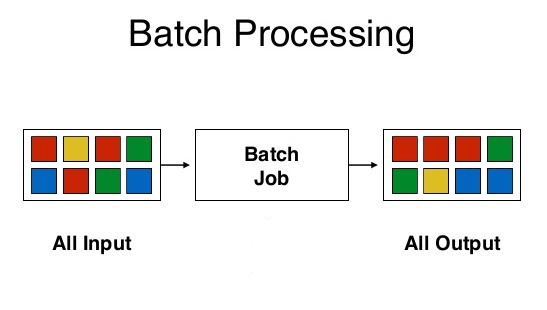
Streamlining Data Processing with Power Automate: Harnessing Batch API Requests

Batching plays a crucial role in effectively managing large-scale data processing, improving performance, and optimizing resource utilization. With Power Automate's enhanced batching capabilities, the low code/no code approach reaches new heights and addresses various data processing scenarios. Another notable feature is the ability to use changesets, which ensure atomic transactions, allowing for rollback in case … Continue reading Streamlining Data Processing with Power Automate: Harnessing Batch API Requests

Using standard CSV data import using Power Automate flow

Data import using CSV or Excel is a feature that is been there since day one. It is a good end user feature that helps to import data quickly in to Dynamics. Using predefined data maps and template the data can be quickly imported without much effort. The log is also a great addition to … Continue reading Using standard CSV data import using Power Automate flow

Cancel running instance of a flow #powerautomate

Power Automate is a powerful tool for efficient business process automation, offering a wide range of connectors to facilitate seamless integration. While configuring flows is typically straightforward, there are cases where it may not be suitable for handling bulk operations or resource-intensive tasks that require processing numerous instances within a limited timeframe. Depending on licensing … Continue reading Cancel running instance of a flow #powerautomate

Export Power Automate run using PowerShell Script

Power Automate flow stores 28 days for history for each flows in an environment. This is a quite a comprehensive log to troubleshoot any error during the executions of the flow. Though there are contextual data that you can add to the history view, exporting and viewing at the historical runs is quite not easy. … Continue reading Export Power Automate run using PowerShell Script